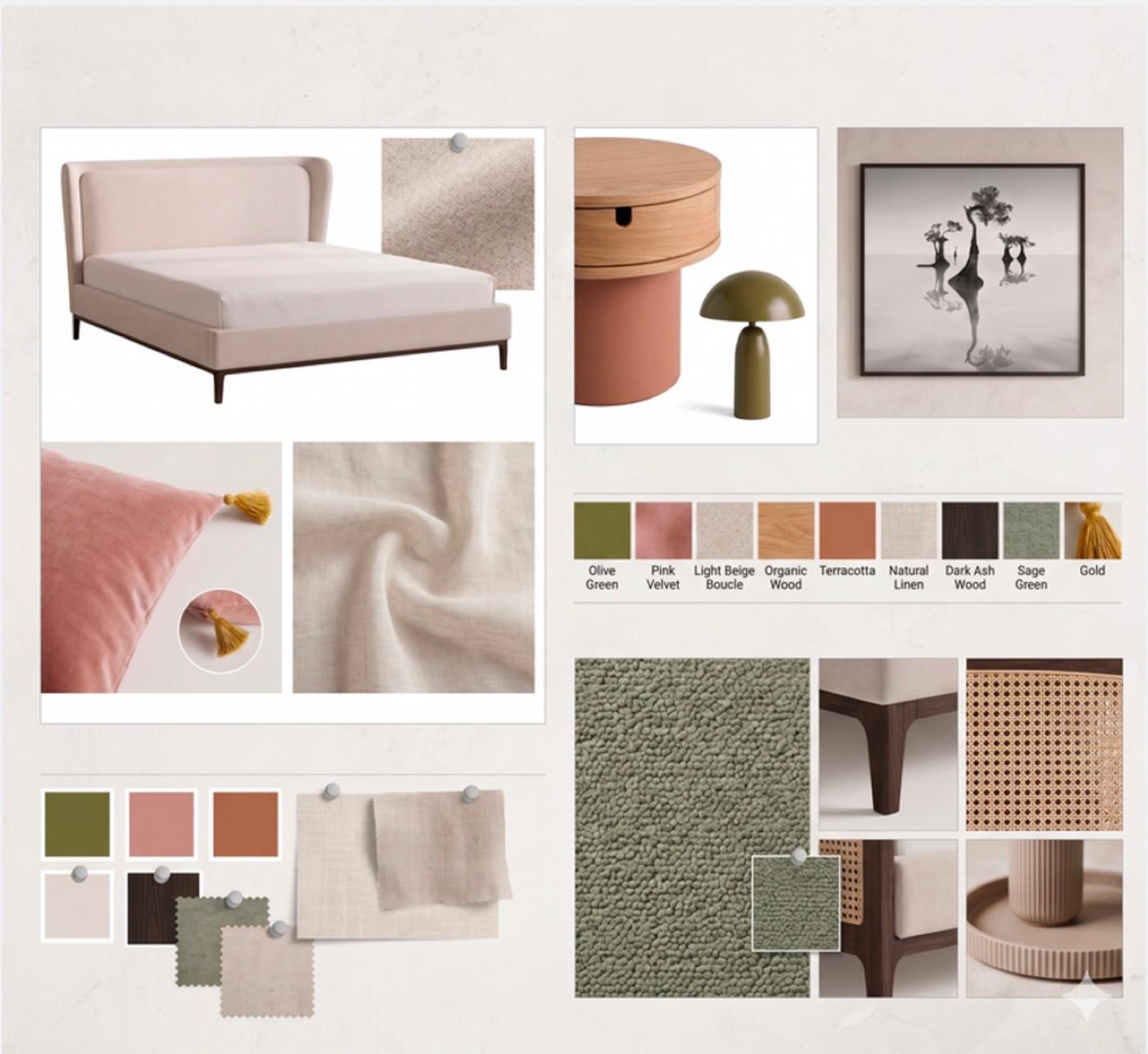
A lobby armchair, a restaurant banquette or a hotel headboard do not live the same life as a living-room sofa. Repeated friction, stains, light, frequent cleaning: the fabric is called upon every day. Choosing it means looking beyond colour and texture.
Abrasion, the first measure of durability
Abrasion resistance is measured in cycles, through the Martindale test. For domestic use, a few tens of thousands of cycles will do. For a busy professional space, the thresholds are markedly higher. This is the first filter, the one that rules out the most fragile cloths from the start.
But the figure does not tell the whole story. The construction of the fabric, the density of the weave and the nature of the fibres count as much as the value printed on the technical sheet.
Maintenance, an operational constraint
In a place that receives guests, a fabric is cleaned often and quickly. Water-repellent treatments, technical fibres and solution-dyed cloths make life much easier for the teams. A magnificent yet unmaintainable covering soon becomes a daily problem.
The right fabric is not the most spectacular: it is the one that still looks beautiful after two seasons of use.
Colourfastness and light
In our latitudes, the light is intense. A colour that fades in the sun betrays a place within months. Lightfastness, also subject to standards, must be checked for anything exposed, especially near bay windows and on terraces.
Reconciling these requirements with the intended image is the heart of the craft. There is almost always a cloth that brings together the right feel, the right tone and the resistance required. It simply has to be sought in the right place.