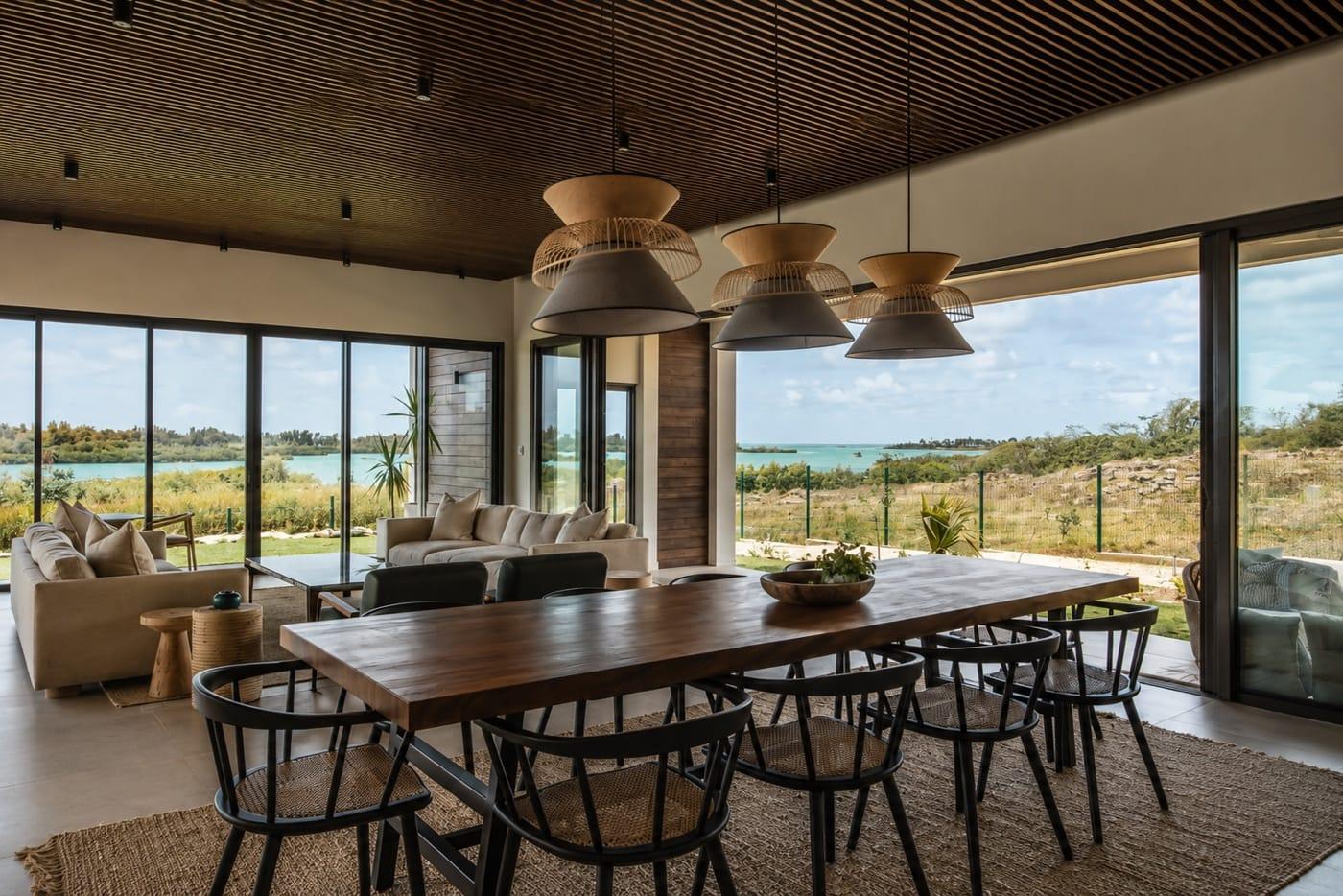
A furnishing project is never simply a matter of choosing furniture. Between the first intention and the handover, several disciplines follow and answer one another. Each one prepares the next, and it is the quality of their sequencing that shapes the final result.
It starts with the brief, not the furniture
Before any talk of pieces and finishes, a project is defined by its uses. How many people, for what gestures, at what pace. A hotel lobby, a private suite and a restaurant do not impose the same constraints, even when they share the same aesthetic.
This listening phase shapes everything that follows. It sets a clear frame: a level of requirement, a budget, a realistic timeline. The hardest trade-offs are always made more calmly once these markers are in place.
Sourcing as a balancing act
Next comes the selection of manufacturers and materials. It is a constant balance between the intended image, the resistance required, the lead times quoted and the budget available. A beautiful piece that arrives too late, or ages badly under heavy use, is not the right choice.
The maison relies on a network of proven manufacturers able to hold a consistent level of quality from one order to the next. This close knowledge of the workshops avoids many surprises and speeds up decisions.
An international project is won through the precision of its intermediate stages, long before installation day.
Logistics as a discipline in its own right
Moving furniture towards the Indian Ocean or the African continent calls for rigorous preparation. Packing, consolidating orders, customs formalities, on-site delivery windows: every link matters. A single delay can push back an entire site.
To anticipate is to read real lead times rather than quoted ones, to build in margins and to coordinate the workshops so that elements arrive in the right order, at the right moment.
Installation, the final test of coherence
On site, everything plays out in the details. The fit-out follows a precise plan, piece after piece, through to the final touch of styling. This is the moment when the original intention becomes a lived-in place, ready to welcome.
It is also the moment when the value of everything that came before is measured. A well-prepared project installs quickly and well. A poorly framed one is caught up on site, under pressure and at the cost of compromise.